 Addy
Addy  Addly
Addly  Goalify
  Monet
Monet  Reviso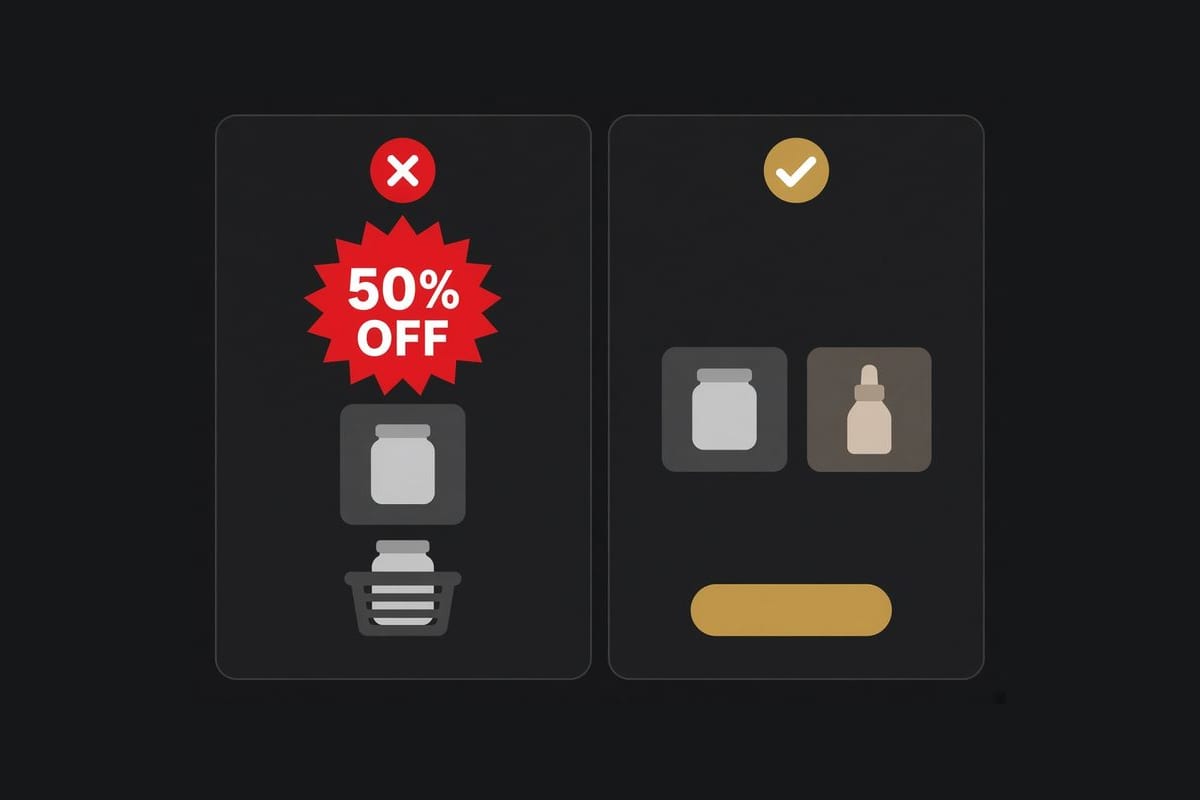
Key takeaways
- A deeper Black Friday discount raises revenue and often lowers gross profit per order. AOV work adds a unit the shopper chose.
- Own four moments: the product page, the cart, the exit, and the order before it ships. One offer at each, not five at one.
- Free shipping just above your median order, a quantity break on the hero, and one in-cart add will move more profit than another 10 points off the site.
- Watch gross profit per order beside AOV. A tactic that only works because the discount got bigger has not increased the value of the order.
Black Friday average order value is revenue divided by orders during the BFCM weekend. The usual way stores try to raise it is a bigger discount. That makes each unit cheaper, so the order value only rises if the shopper adds enough extra units to offset the cut. Often they do not. They buy the same thing, pay less, and your gross profit per order falls while the dashboard AOV looks flat.
There is another way. Keep the campaign discount you already planned, and add one reason to put something else in the basket. These nine are that reason. None of them require a deeper sitewide code. All of them sit on a Shopify store as a theme app extension, so you are not editing theme.liquid the week of 27 November.
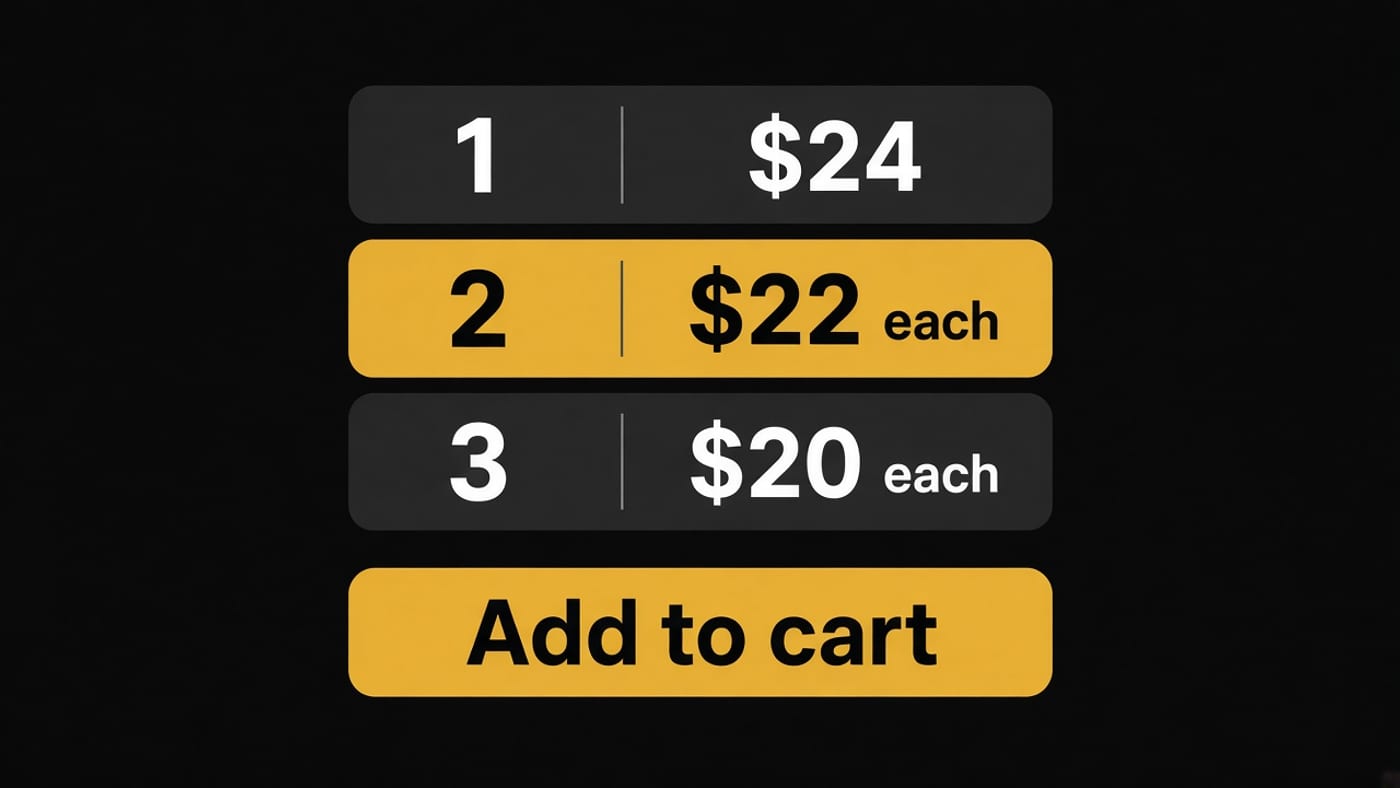
AOV is a ratio. Revenue over orders. You can raise it by charging more, by putting more units in the order, or by making the discount smaller than the extra product it bought. The third one is the Black Friday version of the first, and it is the one stores get backwards. They deepen the code, AOV stays flat, and gross profit per order falls.
The quantity widget above is the clean version of "more units." One bottle stays at the campaign price. Two and three show a per-unit saving, and the button does not change. The person who wanted a gift can still buy one. The person who can use three does not need a sitewide code to see why.
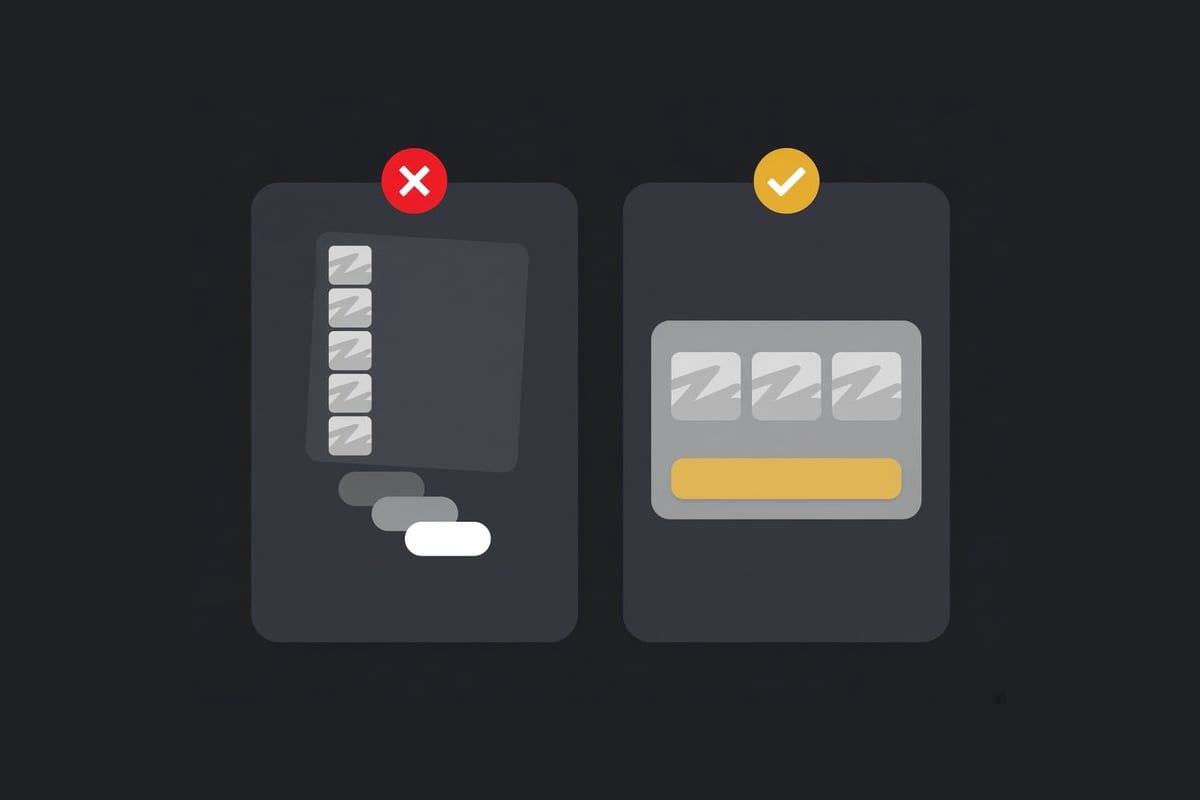
The order of the funnel matters more than the number of apps. Product page first, where the quantity break or the one bundle lives. Cart second, where shipping and one extra product are visible next to the total. Exit third, and only if they are leaving. The order screen last, after you have already been paid. Stacking all four on the product page is how the button gets pushed below the fold.
The longer map is how to increase average order value on Shopify. This page is the BFCM cut: what to turn on, and what to leave off so the weekend stays readable.
1. A quantity break instead of another 10 percent
On a consumable, "2 save a little, 3 save a little more" beats "25% off everything" because the shopper who wanted one still can buy one, and the shopper who can use three sees a reason. Price the tiers from margin, not from the loudest competitor. Worked examples are in quantity breaks for Black Friday and Cyber Monday. Addly runs the tiers down to a variant, which matters when one size is the one you need to move.
2. A free-shipping threshold above the order you already get
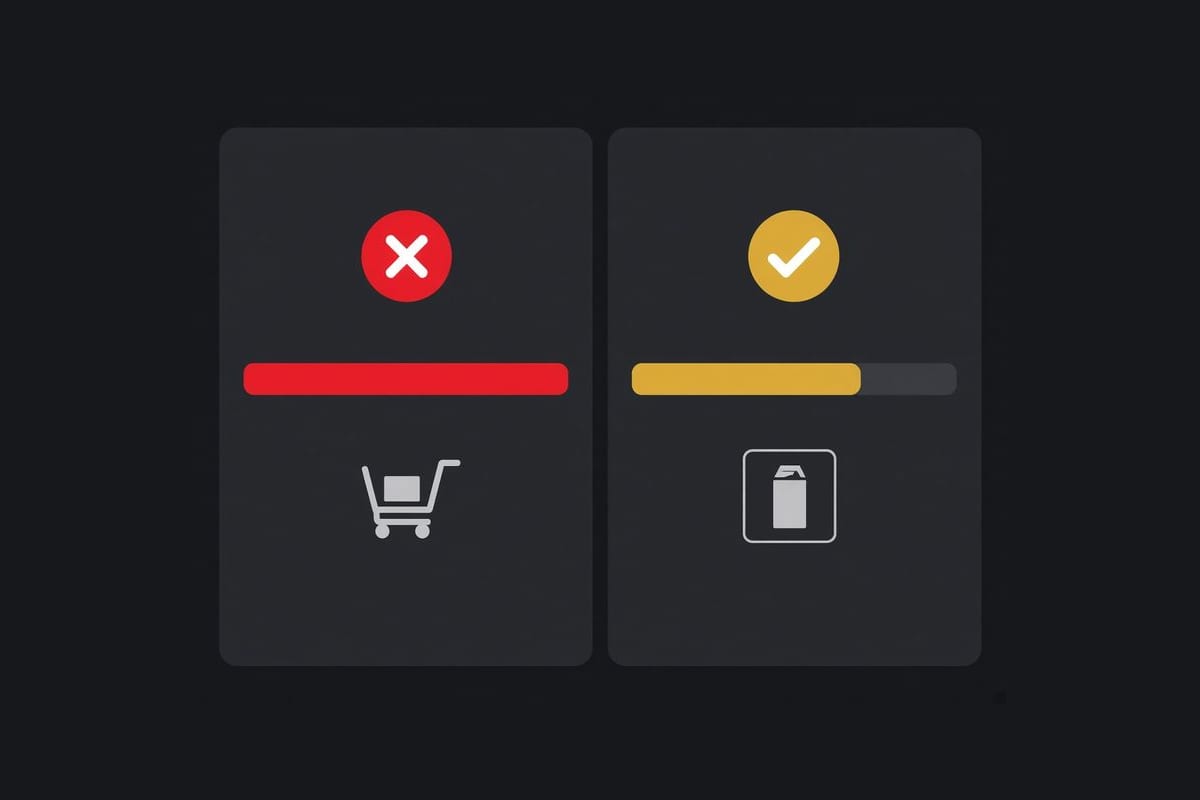
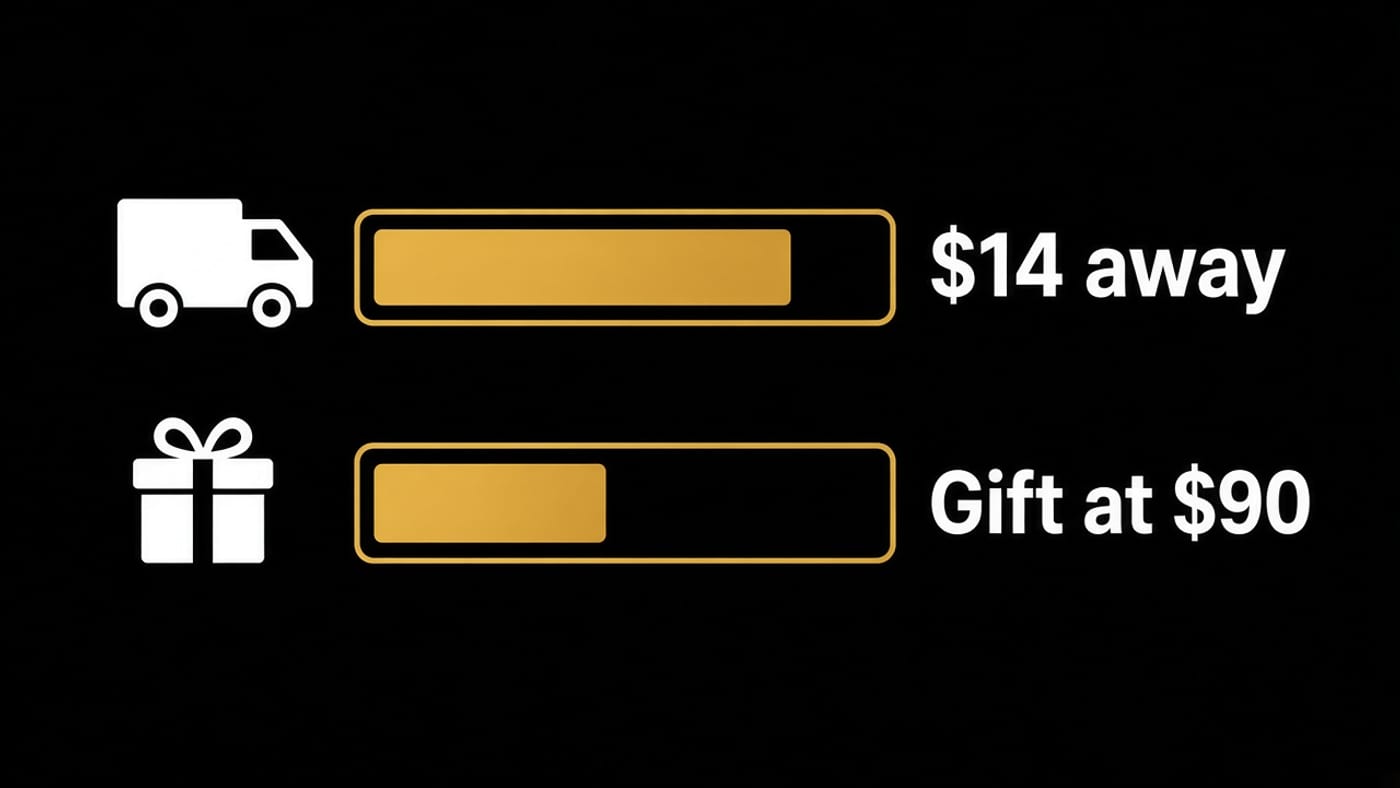
Set the bar a little above the median BFCM basket, not at $1 under it. Shoppers who were going to clear it still do. Shoppers just below have one honest gap. The five-step version is the right free shipping threshold for BFCM. Goalify draws the bar, including a different number per country, because a domestic parcel and an overseas parcel are not the same cost.
3. One bundle on the hero, not a bundle grid
A single frequently-bought-together set under the button adds a unit without a sitewide cut. Twelve bundles on the page add confusion. Ideas and pricing are in Black Friday bundle ideas. The discount, if you need one, sits on the added item.
4. One upsell inside the cart drawer
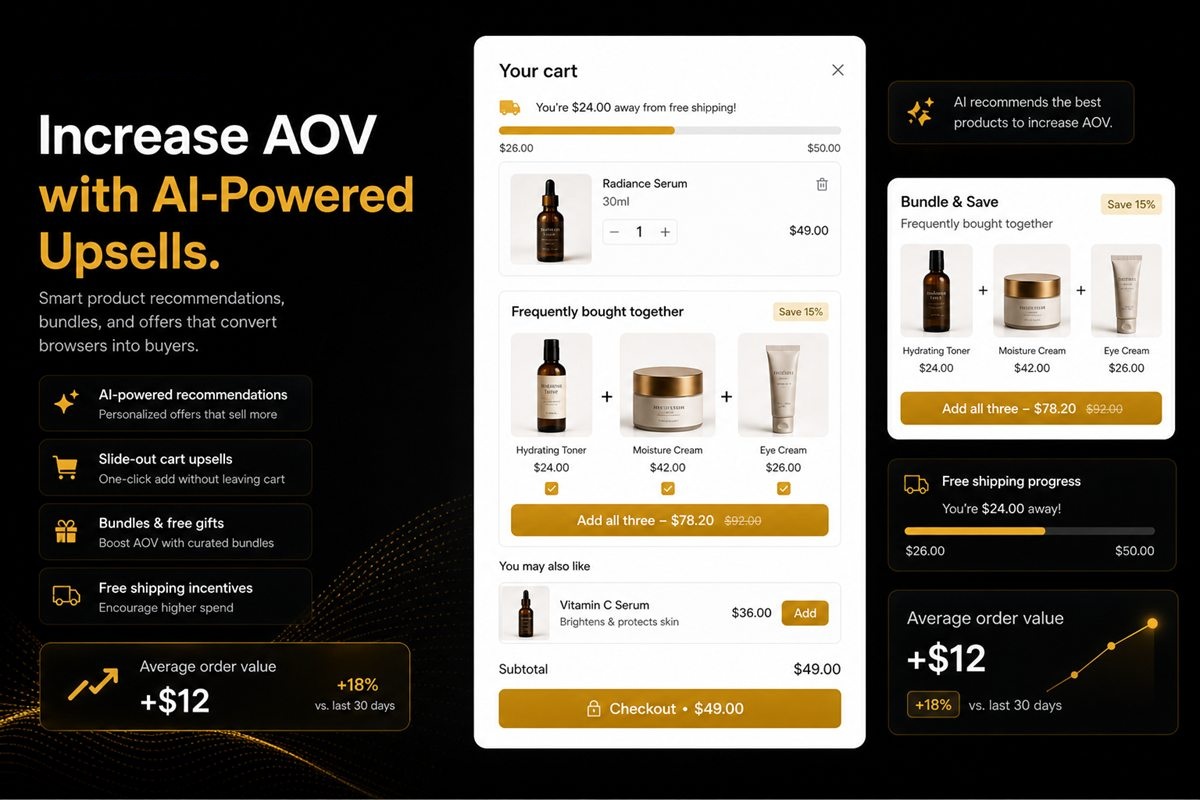
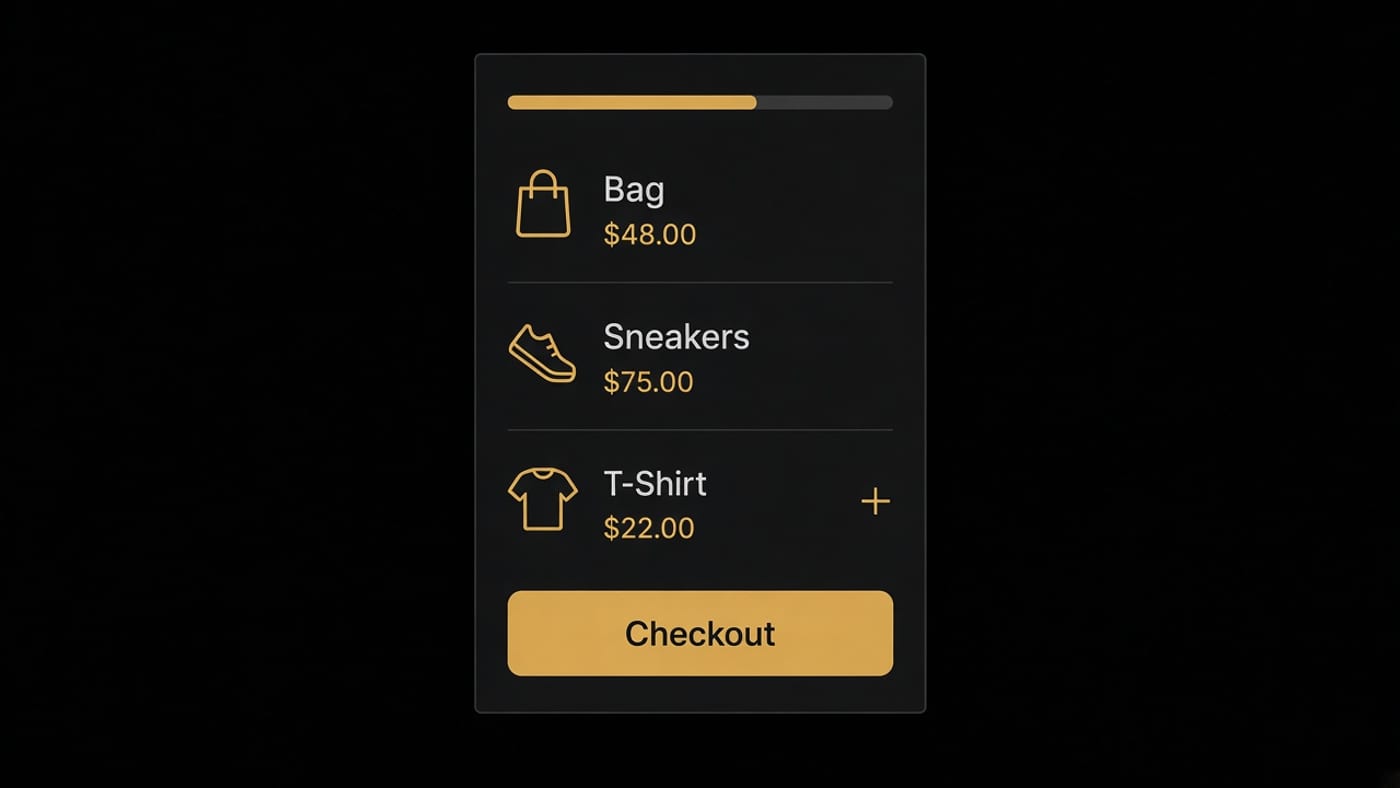
The cart is where the shopper has already said yes. One complementary product, priced well below the hero, under the line items. Not a column of eight. Cart drawer upsells that work during BFCM lists ten that earn the slot. Addy is the drawer: the upsell, the shipping bar, a delivery date, and a cart that can differ by market.
5. A gift at the next rung, not instead of shipping
Free shipping at the first threshold, a free gift with purchase at a higher one. The gift is a sample or a travel size with a low landed cost. It is not 20% off the order, which is just a discount with a bow on it. Goalify can stack the rungs and reveal the next one when the current one is met.
6. An exit offer that is a product
When they leave, offer the pair they did not add, or the unit that would have cleared shipping. Do not offer a bigger coupon than the one already on the site. A second code teaches people to bounce. Exit-intent popup offers for Black Friday keeps the offer to one product. Monet fires on exit, on add to cart, and at the start of checkout, so you are not using a timer popup on people who are still reading.
7. A post-purchase add before the parcel is sealed
The order is already paid. An extra item on the edit screen ships in the same box. That is AOV with no risk to the conversion you just won. Post-purchase upsell ideas for BFCM covers the shapes. Reviso puts the offer on the same screen where they fix an address or a size, and closes the edit when the order ships.
8. A delivery date in the drawer
This does not add a unit by itself. It stops people dropping the extra unit because they cannot tell if the order will arrive before a party or a flight. Addy can show an estimated delivery date next to the total. If the date is unknown, say so. A fake date is a support ticket on 28 November.
9. Country thresholds, not one global number
A $75 bar that is easy in one country is a wall in another, and a giveaway in a third. Goalify sets the goal per country. Addy can show a different cart per market. If you sell across borders on Black Friday, one threshold is how international orders either abandon or get free shipping you cannot afford.
What the weekend report should actually say
Pull three numbers on Saturday morning, not a dashboard tour. Orders, revenue, and gross profit after the campaign discount and the shipping you absorbed. AOV is revenue divided by orders. If AOV is up and gross profit per order is down, the code got deeper or the free-shipping bar was a giveaway. If units per order are up and the discount rate is flat, the extra product is doing the job.
Do not add a fourth offer because Friday felt slow. Slow is often the page, the stock, or the ad, and another widget will not fix those. The CRO Audit for Shopify stores on the hero URL is the check for the page.
What we would turn on first
If you can only ship three: a quantity break or one bundle on the hero with Addly, a free-shipping bar with Goalify, and a drawer with one upsell in Addy. Add Monet if exit traffic is large. Add Reviso before the weekend so address mistakes do not become cancellations that erase the AOV you just gained.
Then run the CRO Audit for Shopify stores on the hero product. If the add-to-cart button is buried, none of the nine will be seen. The pre-weekend list is 15 things to fix before 27 November.
Frequently asked questions
How do you increase average order value on Black Friday without discounting more?
Add a unit, a pair, or a threshold the shopper can still reach, instead of cutting the price of what they already meant to buy. Quantity breaks, a free-shipping bar set above the current average, one cart upsell, and a gift at a higher rung all do this. A bigger sitewide percent does the opposite. It makes the same basket cheaper.
What is a realistic AOV lift for BFCM?
On a store that has none of these offers live, one well-placed threshold or quantity break often adds a few dollars to the average within the weekend, because a slice of shoppers take the extra unit. Do not plan the ad budget on a 30% AOV jump. Plan it on gross profit per order staying flat or better while the average rises a little.
Will these offers slow checkout on the busiest day?
They will if they add steps. A theme app extension that loads with the theme, one offer per moment, and a checkout button that stays visible will not. Stacking five popups on the product page will. Test the hero URL on a phone before 27 November.
Should the Black Friday discount and the AOV offer stack?
Decide on purpose. A quantity break on top of a 20% code can erase the margin on the extra units. Many stores let the campaign code apply to the hero and keep the add-on or the bundle at its own smaller deal. Model the deepest stack before you turn both on.
Which offer should a small Shopify store ship first?
The one that matches the leak. Single-unit product pages need a quantity break or a bundle. Carts that stall just under a shipping cost need a free-shipping bar. Shoppers who leave at the exit need one product offer, not a coupon. The CRO Audit for Shopify stores will show which of those is missing.