 Addy
Addy  Addly
Addly  Goalify
  Monet
Monet  Reviso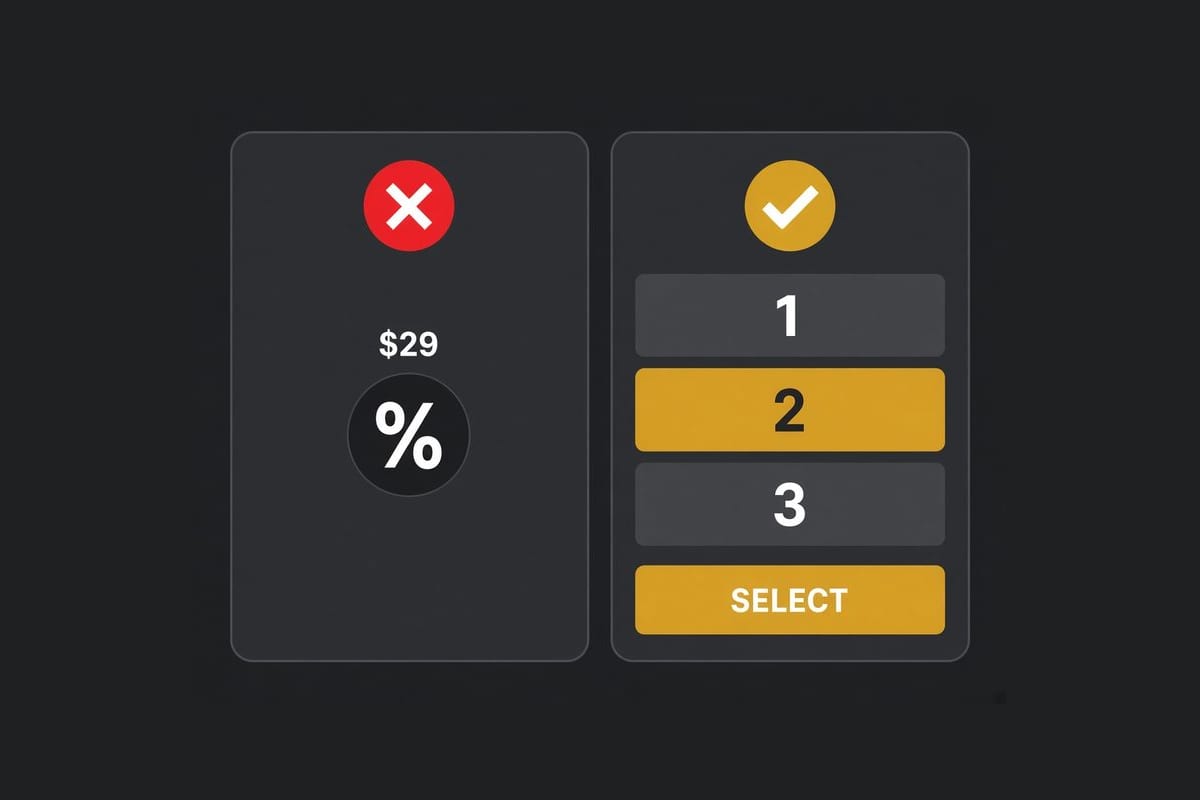
Key takeaways
- A Black Friday quantity break lets someone buy one at the campaign price and rewards the second and third unit. It is not a sitewide code with extra steps.
- Price each tier from gross profit per unit after the campaign discount. A louder break that loses money on unit three is a bad weekend.
- Put the ladder on the variant you need to move. A break on "any size" will clear the popular size and leave the one you are long on.
- One ladder on the hero. A second conflicting percent-off on the same SKU makes the tiers look like a trick.
A quantity break for Black Friday and Cyber Monday is a price ladder on a single Shopify product: pay the campaign price for one, a little less per unit for two, a little less again for three. It raises units per order without requiring a deeper sitewide discount. The single-unit buyer is unharmed. The stock-up buyer has a reason.
Addly runs these tiers, including on one variant, plus the bundles and add-ons around them. Free under 15 orders a month, then $9.99, $24.99 and $49.99, same features on each plan. Install from the Addly listing. The principle, with the margin trap, is quantity breaks versus volume discounts. The ten below are BFCM examples you can copy the shape of, then replace with your cost.
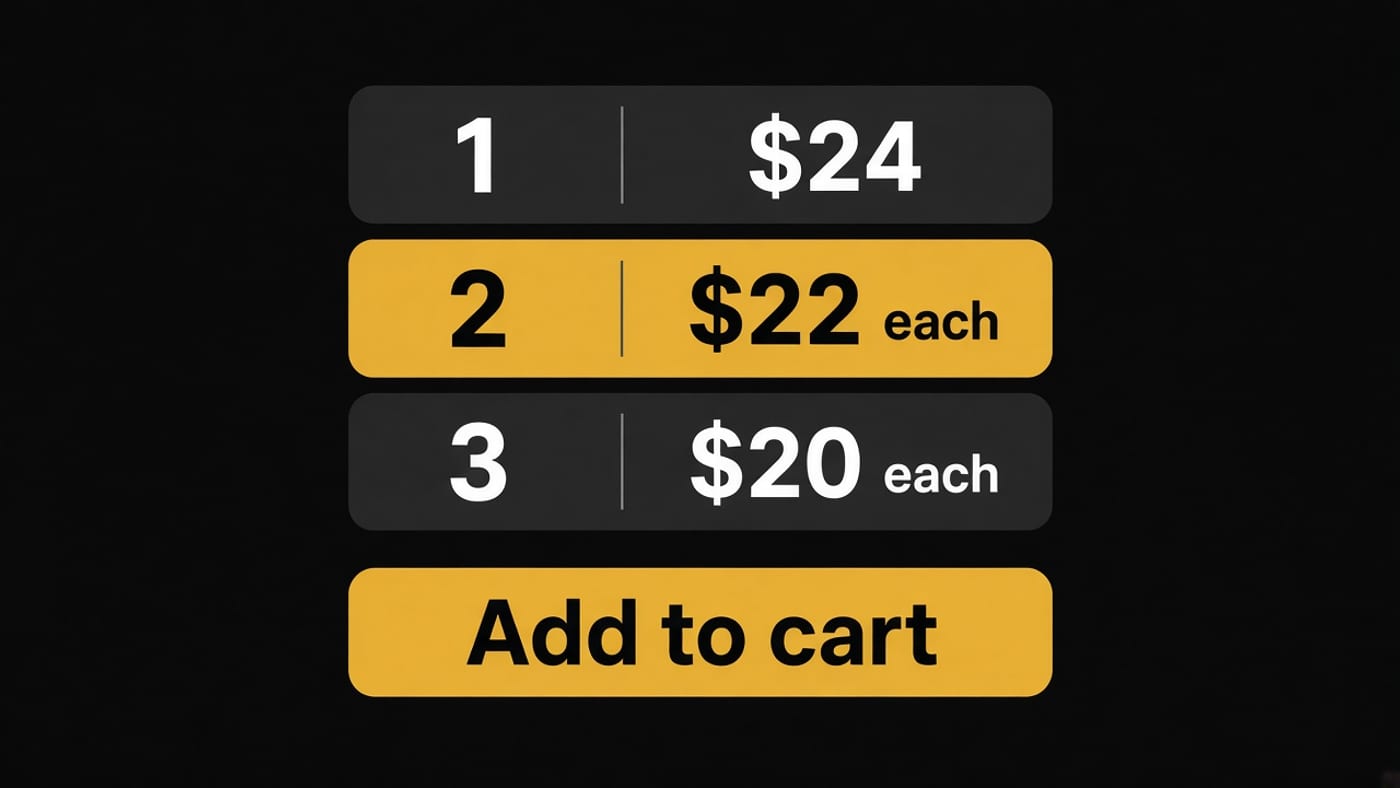
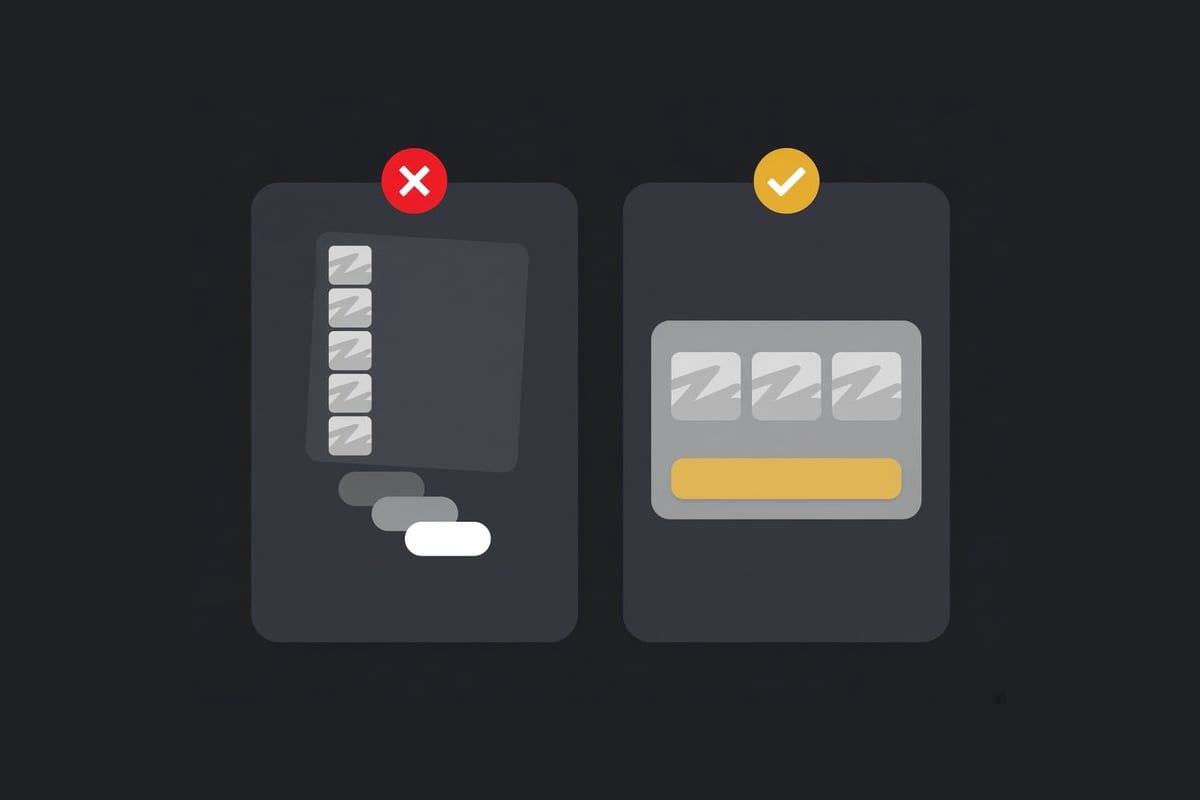
This is the ladder. One unit at the campaign price. Two and three show a lower price each, and the word each is on the row so nobody thinks $22 is the price of both. Add to cart does not move and does not get a second label.
Two failures show up the moment you compare your own widget to that one. The first is a badge on the regular price, so every tier looks like a deal and none of them do. The second is a third tier so deep that the per-unit profit no longer covers the product, let alone the free-shipping label that three units just triggered. If tier three is the one that loses money, delete tier three before Friday. You can still sell three at the tier-two price.
Black Friday 2026 is 27 November. Cyber Monday is 30 November. Publish one ladder before Friday and leave it up through Monday. Changing the steps on Sunday is how your best customers feel tricked.
How to read the examples
Each example assumes a campaign price you have already chosen for one unit. The break is extra, on top of that, not instead of a secret second code. Gross profit is illustrative. Yours will differ. If you cannot fill the cost column, you are not ready to publish the tier.
| Example | One unit | Two units each | Three units each | Who it is for |
|---|---|---|---|---|
| Daily consumable | $24 | $22 | $20 | Refills, coffee, supplements |
| Gift pair | $48 | $44 | — | "One for you, one to give" stops at two |
| Mini set of a hero | $18 | $16 | $15 | Stocking fillers bought in handfuls |
| Variant you are long on | $36 | $32 | $30 | The size that is not the bestseller |
| Sample flight turned full size | $28 | $25 | — | They tried the mini, two full sizes is the step |
1. The refill ladder
$24, $22, $20 on a product people finish. Three is a season, not a warehouse. Stop at three unless your cost still works at four. State "per unit" so nobody thinks $20 is the price of all three.
2. Two as a gift, and stop
$48 each for one, $44 each for two, no third tier. The story is a gift, not a stock-up. A third tier on a giftable hero attracts resellers and clutter more than it attracts households.
3. Three minis
$18, $16, $15 on a mini candle, soap or sample. The landing is a stocking table. Cap it, because minis are how a cart fills with units that do not cover a heavy label. If three minis still do not clear shipping, the threshold is a separate problem, solved in the BFCM shipping bar, not by a fourth mini at a loss.
4. The size you need to clear
The popular size stays at the campaign price with a gentle break. The size you are long on gets the steeper ladder. Addly can target the discount at a variant. A storewide "any size, buy 3" will do the opposite of what the stockroom needs.
5. The pantry step
Food and coffee: one bag, three bags, six bags. Six only if the per-unit profit still pays for the heavier parcel. Write the weight change into the tier decision. A sixth bag that bumps the shipment into a new bracket can wipe the break you thought you earned.
6. The beauty routine, same SKU
Cleanser or oil they can decant into a second bathroom. Two is the natural tier. Three is optional and should be priced only if subscription-like stocking up is real for you. Do not invent a subscribe-and-save story inside the quantity widget if you are not running subscriptions. The break is a one-time ladder.
7. The team or household pack
Four units as the top tier, named "household" or "team," for socks, bottles, basics. The middle tier is two. Skip a silly one-unit "discount" that is just the normal price with a badge. Badges on the regular price make the real break look fake.
8. The colourway that is not the hero colour
Same product, the holiday colour or the quiet colour, with a stronger per-unit break than the core colour. You are buying clearance of a variant without putting the core on a deeper code. When that colour hits your reserve, remove the tier the same day.
9. Cyber Monday, same ladder, new hero
Monday does not need new maths. It needs the product you still have. Keep Friday's tiers. Move the widget to the SKU that survived Saturday. A fresh 40% third unit on Monday, after a milder Friday, is how your Friday buyers ask for a refund of the difference.
10. The break that stops before free shipping doubles up
If three units always clear free shipping, you are paying the break and the label. That can be fine if you meant to. It is not fine if you did not add the label cost into unit three. Do the addition on paper. Bundle discount maths is the same muscle, applied to a set. Use it on the tier too.
Put the ladder under the price on the product page, not in a popup that hides it. The cart can repeat a one-line reminder. Addy is the drawer for that reminder. It should not show a different quantity price than the product page. One ladder, one place that owns it.
On Saturday, split orders of that SKU into one unit, two, and three. You want the share that took a tier, and the gross profit per order at each tier, not a blended average. If almost everyone stayed on one unit, the step is too small to notice or the widget is below the fold. If everyone jumped to three and profit per order fell, the tier is too deep. Change the price, not the story, and leave the new ladder up through Monday.
Through Monday night, then off. A quantity break that quietly becomes the permanent price is a decision for January, made with the attach rate in front of you, not a leftover from the weekend.
Frequently asked questions
What is a quantity break on Black Friday?
Tiered pricing on one product. One unit at the campaign price, two units a bit less each, three units a bit less again. The shopper who wants a single gift can still buy one. The shopper who can use more sees a reason to add it now, through Cyber Monday, without you cutting the single-unit price further.
How deep should Black Friday quantity breaks go?
Deep enough to notice, shallow enough that unit three still clears your cost plus the shipping you might throw in. On many consumables that is a small step, a few percent, not a half-off third unit. Run the profit per unit at each tier before you publish. If tier three is the one that loses money, delete tier three.
Should Cyber Monday use a different quantity break than Black Friday?
Only if the product or the stock position changed. A new ladder on Monday teaches people to wait. Keep the same tiers from Friday through Monday, with a published end. Change the hero if you sold out, not the maths, mid-weekend.
Can quantity breaks target one variant?
Yes, and they should when sizes or colours have different stock and different costs. A break on every variant will empty the bestseller and do nothing for the size you are long on. Target the tier at the variant you can afford to multiply.
Do quantity breaks replace a bundle?
No. A quantity break is more of the same product. A bundle is a different product, or a mix. Use the break on things people repurchase. Use a Black Friday bundle when the second item is a companion, not a twin.