 Addy
Addy  Addly
Addly  Goalify
  Monet
Monet  Reviso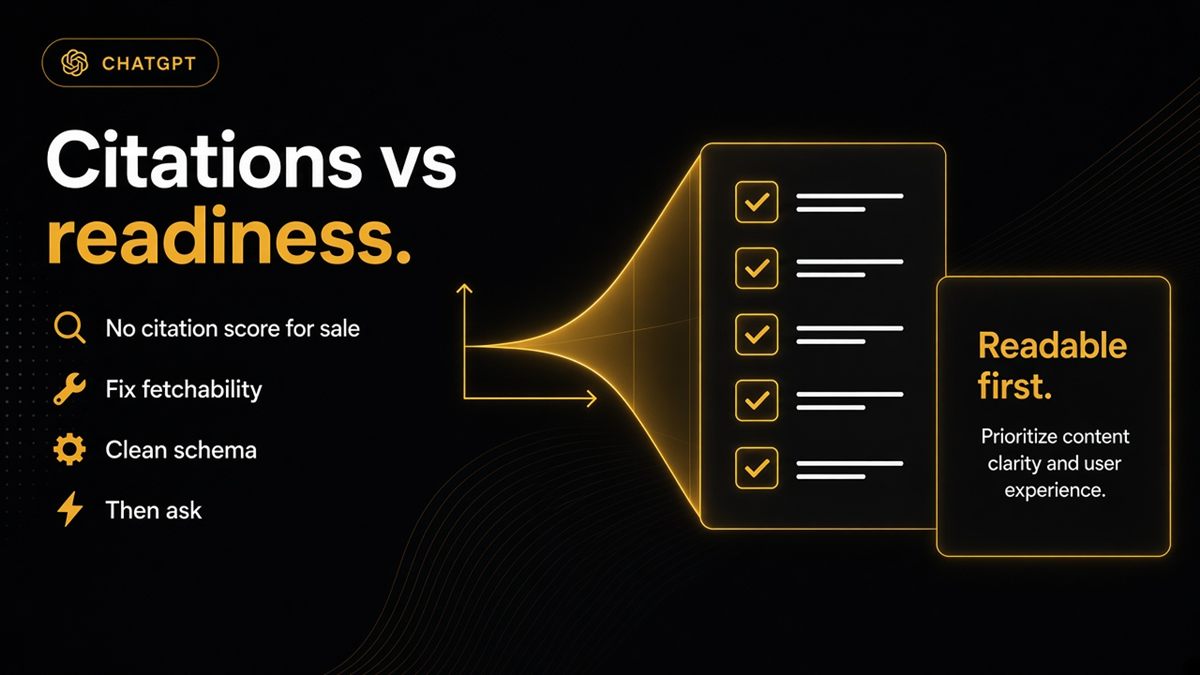
Key takeaways
- Nobody can audit how often ChatGPT cites you from a public page crawl.
- You can audit whether your pages are fetchable and unambiguous.
- Thin brands with blocked bots and empty schema rarely get accurate answers.
- Run the SEO & AI Audit, fix the page, then test prompts yourself.
- Perfect schema does not guarantee citations; it removes excuses.
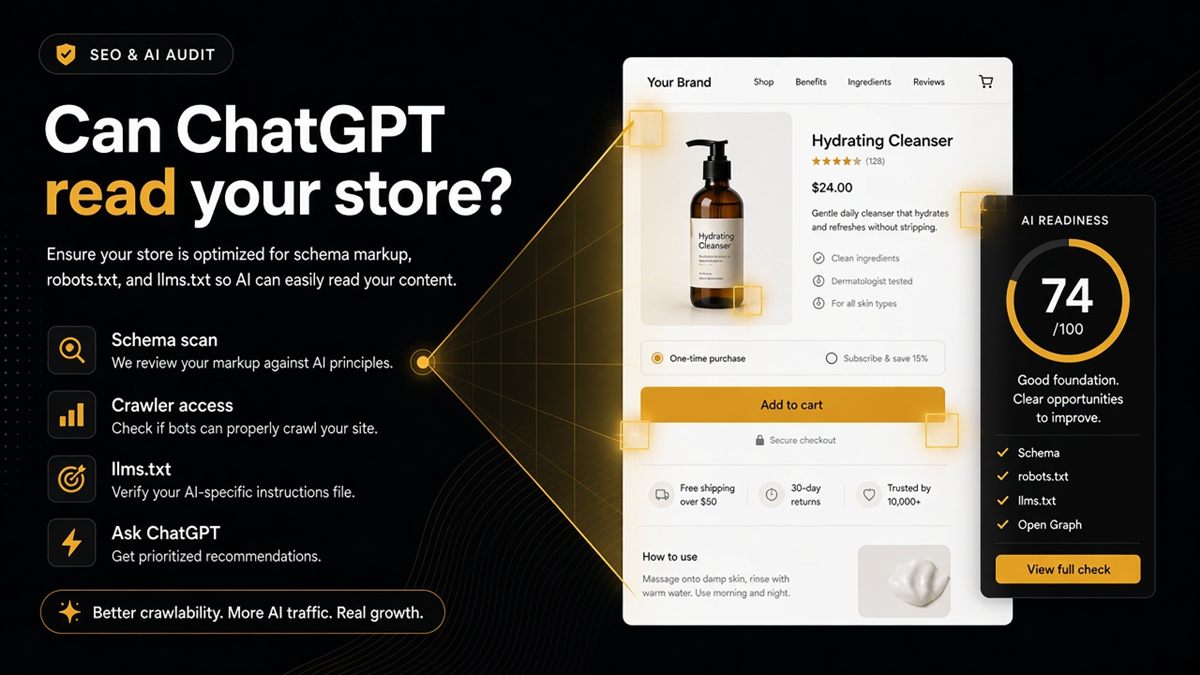
Want ChatGPT to cite your Shopify store? Start by surviving a readability check. Citations are earned inside someone else’s model; readiness — fetchable pages, clear schema, open crawlers — is what you control this afternoon. Run the free ChatGPT SEO check for Shopify stores, fix the URL, then test prompts yourself.
Citations vs readiness
Citations are an outcome inside someone else’s model. Nobody can audit “how often ChatGPT cites you” from a public page crawl. The tool never calls OpenAI to measure mentions. Buttons open ChatGPT in your browser.
Readiness is whether your public page offers clean facts: it can be fetched, it is not marked noindex, structured data matches the shopper view, and you have not blocked the crawlers you wanted. Merchants control readiness.
Thin brands with blocked bots and empty schema rarely get accurate answers. Famous brands with messy markup still get mentioned — often inaccurately. Your job is to stop being unreadable so that when you are mentioned, the facts are yours.
Why ChatGPT might ignore (or invent) you
Common self-owns:
- GPTBot disallowed in robots.txt while Googlebot looks fine
- Product pages with marketing blurbs and no Offer
- Homepage that is a video wall with no Organization
- Blog posts with no date or author in markup
- Accidental noindex on the collection you advertise
- Empty or missing llms.txt while the homepage is a weekly promo
Perplexity shows sources more often, but the same basics apply. If you want a second surface, use the audit’s Perplexity ask button on the same URL.
Stuffing “ChatGPT” into product titles helps neither shoppers nor models.
A practical sequence
- Unblock or confirm bots — see GPTBot and robots.txt.
- Fix product and homepage structured data.
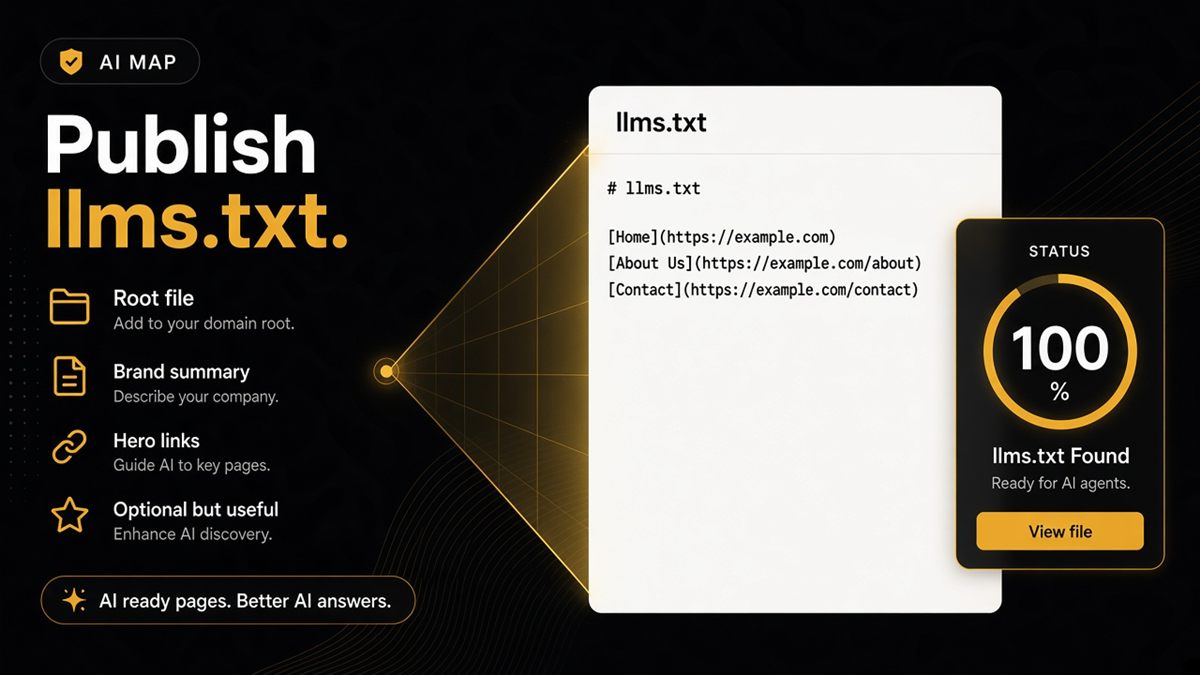
- Add llms.txt (short map, not every SKU).
- Publish one genuinely useful guide or a specific shipping/returns page.
- Re-ask ChatGPT monthly with the same prompt and note changes.
That sequence is the realistic playbook without the fantasy submit button. Technical fixes can help the next fetch. Reputation and third-party proof move slower.
Worked example: you ask “Does [brand] ship to Canada?” ChatGPT says yes, free. Your policy says UK and EU only, paid. Readiness failed on the policy page (thin copy or unread markup), or a retailer blog was fresher than your HTML. You rewrite shipping with explicit countries, re-audit, allow the crawler, and ask again next month. You still cannot force a citation — you can stop supplying the wrong quote.
What not to buy
- “Guaranteed ChatGPT ranking” retainers
- Fake review schema
- Cloaking pages for bots
Those burn trust with Google and shoppers alike. Perfect schema does not guarantee citations either; it removes excuses. Demand, uniqueness and reviews still matter.
Paid ads inside ChatGPT, if you use them, are a separate channel. They do not replace public readability for unpaid answers.
Unreadable vs merely unknown
Two different problems get mixed together.
Unreadable means a crawler that reached you would still guess: noindex, blocked GPTBot, missing Offer, three conflicting product names. That is on you this afternoon. Fix it with the audit.
Unknown means the page is clean but the rest of the web barely mentions you. Assistants then lean on bigger retailers, marketplaces or round-up blogs. Schema will not invent fame. Distinctive proof — press, reviews, a useful guide other sites link — is the slow half of the work.
If ChatGPT describes your product with a competitor’s shipping policy, you are probably unreadable or unpublished on that topic. If it never mentions you in a broad “best [category]” answer, you may be readable and still small. Diagnose before you buy a retainer.
A practical split: spend this week on fetchability and Offer markup; spend the quarter on one useful public guide and genuine third-party mentions. Mixing the two into one “ChatGPT campaign” is how you buy content you still cannot be quoted from.
When not to chase citations
Do not chase ChatGPT mentions while:
- The store is password-gated
- Bestsellers are noindex
- You cannot fulfil the countries you would be quoted as shipping to
- The PDP price in markup is wrong — being cited with the wrong number is worse than silence
Fix those, then ask again. Being quoted inaccurately is not a win.
How to measure without a citation dashboard
Keep a simple log:
| Date | Prompt | Accurate / stale / invented | URL you audited |
|---|---|---|---|
| 2026-09-21 | “What does [brand] sell?” | Homepage | |
| 2026-09-21 | “[Product] price?” | PDP | |
| 2026-09-21 | “Return window?” | Policy |
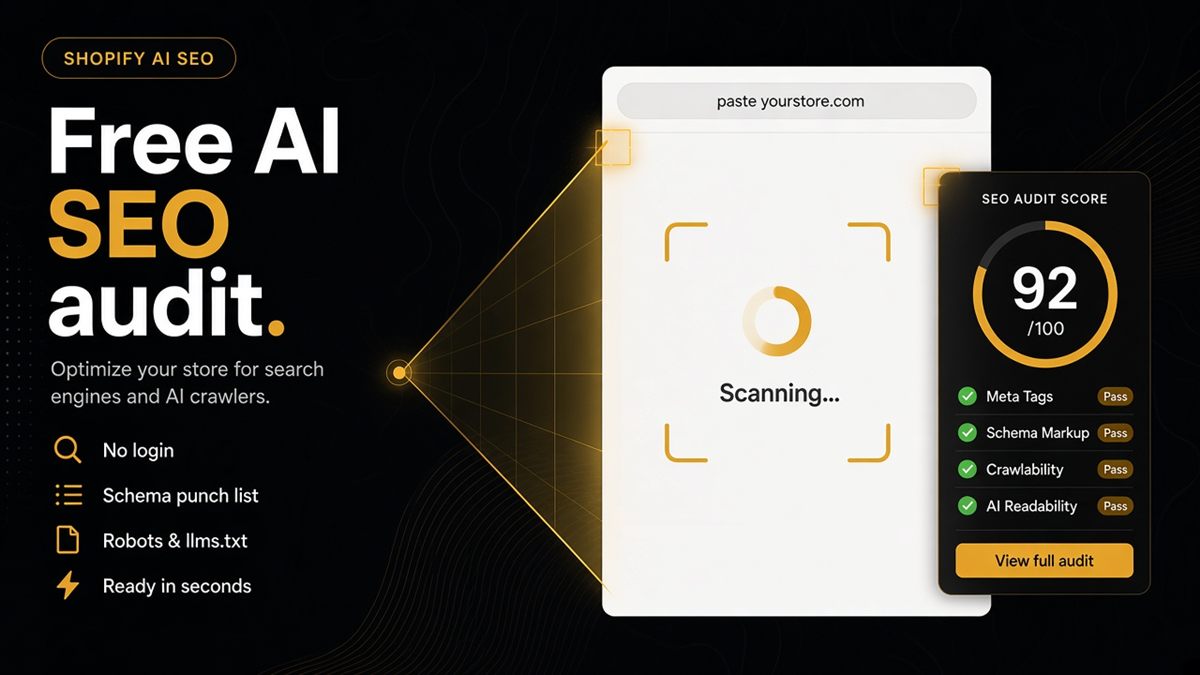
Run the SEO & AI Audit when the log shows invented facts. Fix the page, then test prompts yourself. That is the loop.
Ask the same wording each month. Changing the prompt every time makes the log useless. Include at least one prompt that only your policy page can answer (returns window, shipping countries) so you can tell whether your HTML is in play.
If the store is password-protected, ChatGPT cannot cite the live catalogue yet. Audit in staging, then repeat on go-live day.
You cannot force a citation. You can stop being unreadable. Start with the SEO & AI Audit, then ask the same buyer questions every month.
Frequently asked questions
Can Ninety9 see my ChatGPT citations?
No. The tool never calls OpenAI to measure mentions. Buttons open ChatGPT in your browser with the page referenced so you can compare the answer to your catalogue.
Will perfect schema guarantee ChatGPT citations?
No. It removes excuses. Demand, uniqueness and reviews still matter. Readiness is whether the page can be quoted accurately; a citation is an outcome inside someone else’s model.
Should I stuff ChatGPT into Shopify product titles?
No. That helps neither shoppers nor models. Use the real product name and clear facts. Title stuffing is a trust tax on the PDP and in markup.
Is Perplexity different from ChatGPT for citations?
Perplexity shows sources more often, but the same readability basics apply: fetchable pages, clear entities, honest offers. The audit’s ask buttons include Perplexity so you can compare.
Why doesn’t ChatGPT cite my Shopify store?
Usually the page is unreadable or unfetchable: GPTBot disallowed, noindex, missing Offer markup, or a homepage with no shop identity. Fix readiness first. Citations also depend on demand and third-party proof you cannot buy as a score.
What should I not buy to get ChatGPT citations?
Guaranteed ChatGPT ranking retainers, fake review schema and cloaking pages for bots. Those burn trust with Google and shoppers alike and still cannot force a mention inside ChatGPT.
How do I test whether ChatGPT will mention my brand?
Fix the page with the ChatGPT SEO check for Shopify stores, then ask ChatGPT the same buyer prompts monthly. Note accurate, stale or invented answers. That log is the measurement you actually control.